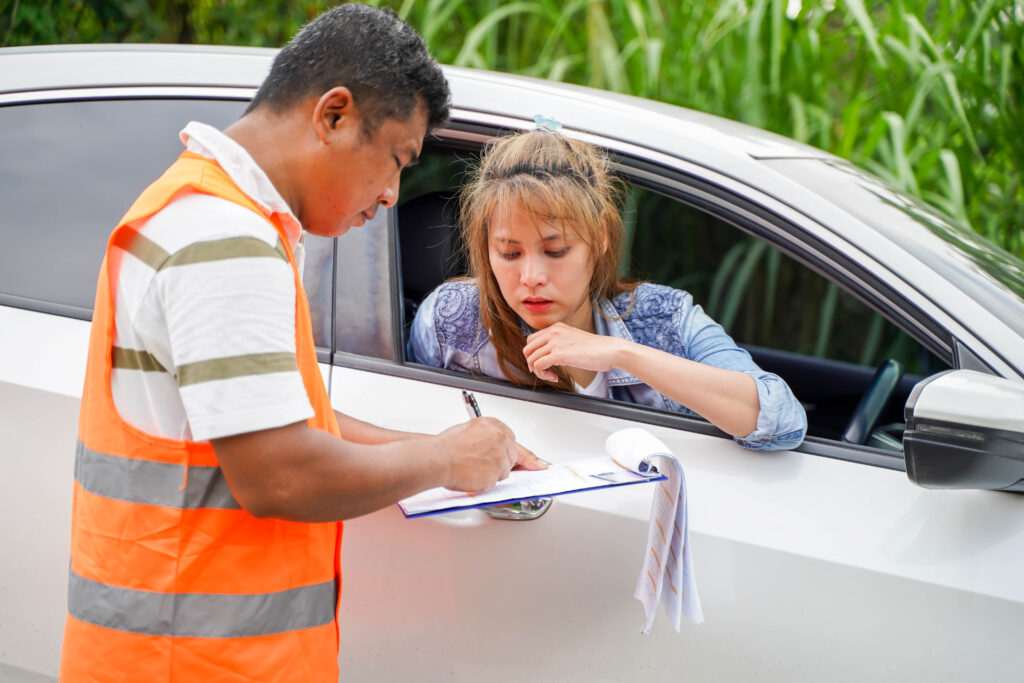
Understanding Why Documentation Matters in Car Scrapping
When most people think about scrapping their old car, they think about the money they will receive or the space they will free up in their garage. What they rarely think about is the paperwork. And that is exactly where many car owners run into unnecessary delays and complications. The documentation process for car scrapping in India is not complicated, but it does require clarity. Getting it right from the beginning protects you legally, ensures a smooth handover, and most importantly, closes your liability on the vehicle permanently. At VSCRAPIT, we guide every customer through this process step by step so that nothing is missed and nothing causes a problem later.
India’s vehicle scrapping framework has become increasingly structured under the Vehicle Scrappage Policy, which means authorized scrapping now comes with a clear paper trail that works in your favor. Whether your car is running or not, whether you have all your documents in order or are missing a few, understanding what is required will help you prepare better and move faster.
The Core Documents Required to Scrap Your Car in India
Every car scrapping process in India requires a standard set of documents. These documents verify ownership, confirm the vehicle’s legal status, and enable the registered scrapping facility to process the vehicle correctly. Here is what you will typically need.
The Registration Certificate, commonly known as the RC, is the most important document in the entire process. It is proof that the car is registered in your name and that you are the legal owner with the right to authorize its scrapping. The RC contains all the key details about the vehicle including its registration number, chassis number, engine number, and owner details. Without the RC, most authorized scrap dealers including VSCRAPIT will require additional verification steps before proceeding.
A valid identity proof is required to confirm that the person handing over the vehicle matches the name on the RC. This can be your Aadhaar card, PAN card, passport, or any government-issued photo ID. This step is important because it prevents unauthorized scrapping and protects the rightful owner of the vehicle.
The insurance documents for the vehicle may also be requested, particularly if the car’s policy is still active. While an expired insurance policy does not typically block the scrapping process, having your insurance details on hand helps establish the vehicle’s history and avoids any confusion during documentation.
A No Objection Certificate or NOC from the bank or financial institution is required if the vehicle was purchased on a loan and the loan has since been fully repaid. This document confirms that the lender has no remaining claim on the vehicle and that you are free to dispose of it. If the loan is still outstanding, the bank’s permission is mandatory before any scrapping can proceed. VSCRAPIT always advises customers to check their loan status before initiating the scrapping process to avoid last-minute delays.
The pollution under control certificate, known as the PUC, may also be requested depending on the scrapping facility and the state in which you are scrapping the vehicle. While it is not always mandatory, having it available keeps the process clean and transparent.
What Happens if You Are Missing Some Documents
This is one of the most common concerns we hear at VSCRAPIT. Many old cars have incomplete paperwork. The RC may be lost, the insurance may have lapsed years ago, or the original ownership documents may not be available due to a second or third-hand purchase. The good news is that missing documents do not always mean you cannot scrap your car.
If your RC is lost or damaged, you can apply for a duplicate RC at your nearest Regional Transport Office. The process requires a formal application, an FIR in some cases, and a nominal fee. Once issued, the duplicate RC is as valid as the original for scrapping purposes.
If the car was purchased secondhand and the RC was never transferred to your name, the scrapping process becomes slightly more involved. In this case, VSCRAPIT works with customers to identify the best legal path forward, which may include obtaining an affidavit or reaching out to the previous owner for transfer documentation.
If you have inherited a vehicle and the RC is still in the deceased owner’s name, a succession certificate or legal heir certificate along with your identity proof will be needed to establish your right to scrap the vehicle.
The Certificate of Deposit: The Most Important Document You Will Receive
Once your car has been handed over to an authorized scrapping facility, you will receive a Certificate of Deposit. This is the single most important document that comes out of the car scrapping process and it works entirely in your favor.
The Certificate of Deposit is issued by the registered vehicle scrapping facility and it serves as official proof that your vehicle has been legally and responsibly disposed of. From this point forward, the vehicle is no longer your liability. Any challans, legal notices, or issues related to the vehicle after the Certificate of Deposit is issued are not your responsibility.
Beyond closing your liability, the Certificate of Deposit also entitles you to benefits under India’s Vehicle Scrappage Policy. These benefits include registration fee waivers when you purchase a new vehicle and in some states, additional concessions on road tax. The exact benefits vary by state but the Certificate of Deposit is what makes you eligible to claim them. At VSCRAPIT, we ensure every customer receives this certificate promptly after the vehicle is processed.
How VSCRAPIT Simplifies the Documentation Process for You
One of the biggest reasons customers across Bangalore and across India choose VSCRAPIT is because we do not leave you to figure out the paperwork on your own. Our team reviews your documents before the pickup is scheduled so that any gaps are identified early. If something is missing, we guide you on exactly what to do and how to get it sorted quickly.
Step 1: Share your vehicle details and existing documents with our team when you request a quote.
Step 2: We review your paperwork and let you know if anything needs to be arranged before pickup.
Step 3: Our team arrives at your doorstep for the vehicle pickup and completes all on-site documentation with you.
Step 4: Once the vehicle is processed at our certified facility, your Certificate of Deposit is issued and shared with you without delay.
The entire process is designed to be transparent, fast, and hassle-free from the first call to the final certificate.
Why Getting the Documentation Right Protects You Long Term
Scrapping a car without proper documentation through unauthorized channels may seem easier in the short term but it carries serious long-term risks. If the vehicle’s registration is not formally cancelled, you remain the legal owner on record. This means any traffic violations, accident involvement, or legal issues linked to that vehicle after it leaves your hands can come back to you.
Choosing a registered and authorized car scrapping service like VSCRAPIT ensures that the vehicle’s registration is cancelled correctly, your liability is formally closed, and every step of the process is compliant with Indian transport regulations. It is not just about scrapping a car. It is about protecting yourself completely.
Conclusion
Scrapping your old car in India is a smart decision, and getting your documents in order is what makes it a safe and rewarding one. The process is simpler than most people expect, especially when you have the right partner guiding you. At VSCRAPIT, we make sure that every customer walks away with full payment, complete peace of mind, and the right paperwork in hand. If you are ready to scrap your car or just want to know where you stand with your documents, reach out to us today and we will take it from there.